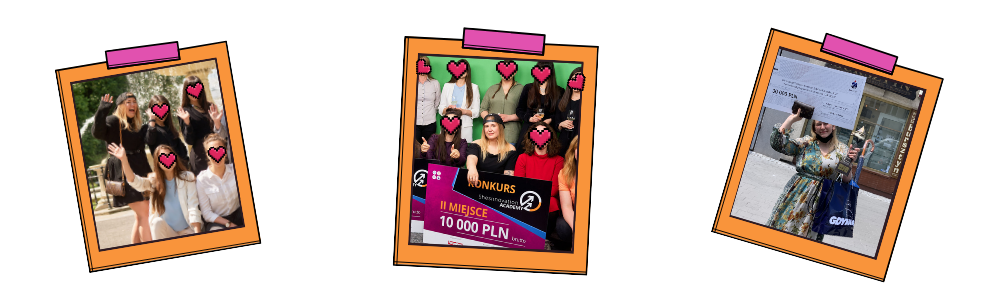
The Woof started as a random uni project. Five years later it had VC funding, EU grants, and a working mobile app and hardware tested with hundreds of beta users — though we never reached commercial launch before winding down.
As the technical backbone, I did whatever it took to make our systems scale — from figuring out the initial architecture, through managing complex cloud infrastructure, to building and testing the mobile app and hardware with our beta community. I worked with clients, testers, experts, and executives.
That kind of work shaped how I think: whether it's a massive architectural bottleneck or a tiny frustrating edge case, I care about finding the optimal solution. For me, the theory is fun, but what makes it great is the purpose. Code is simply the best medium for building things that matter. I once said code is like art that does things — and solving real problems is my expression of that.
When a new technology emerges, I don't follow trends — I evaluate them as potential solutions. I actively bounce between cloud endpoints and local models (partly for performance, partly because I'd rather my data stay mine), write custom execution skills, and map vector DBs to squeeze every drop of RAG performance. My favorite sandbox is my custom personal AI assistant, where I've implemented context-management approaches I rarely see in the wild. That said, I treat AI strictly as a tool — I solve problems myself and dispatch my agents to do the boring stuff. And there is a lot of boring stuff worth automating.
My edge is curiosity and the pattern recognition that comes with being AuDHD — problems that look like chaos to others tend to look like puzzles to me. I thrive on context switching, work well under pressure, and if something's worth solving, I won't stop at the solution — I'll build it.